

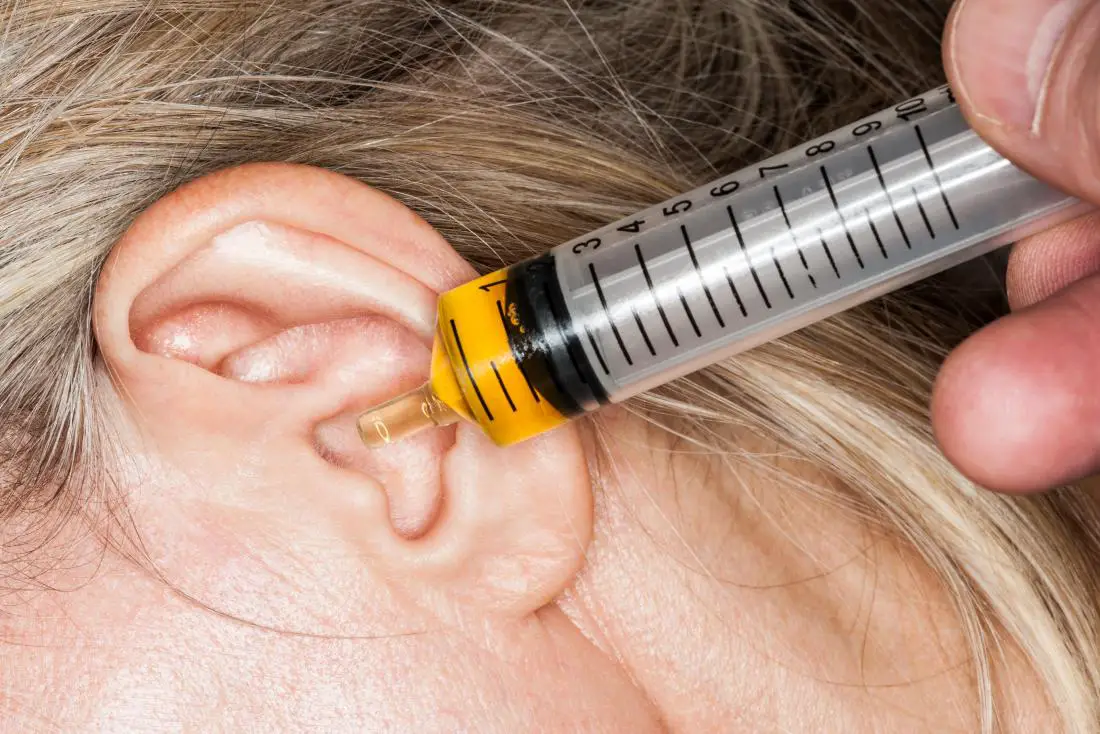
A clogged or blocked feeling in your ear can be uncomfortable and may make sounds seem muffled, distant, or “underwater.”
You may also notice pressure, fullness, popping, crackling, or the sensation that something is physically stuck inside the ear.
Common causes include earwax buildup, Eustachian tube dysfunction, a recent cold, allergies, middle-ear fluid, an ear infection, trapped water, or pressure changes from flying or diving.
Most causes are not emergencies. However, a suddenly clogged ear accompanied by a sudden drop in hearing should not automatically be blamed on wax or congestion. Sudden sensorineural hearing loss can initially feel like ear fullness and needs prompt medical evaluation.
Quick Answer
A clogged ear can be caused by:
- Earwax buildup
- A cold or upper respiratory infection
- Allergies
- Eustachian tube dysfunction
- Fluid behind the eardrum
- A middle ear infection
- Changes in air pressure
- Water trapped in the ear canal
- Sinus or nasal congestion
- Less commonly, sudden inner-ear hearing loss
If the problem follows a cold, flight, or change in altitude and your hearing is otherwise stable, swallowing, yawning, or chewing gum may help equalize pressure.
If your ear feels physically blocked and you are unsure whether the cause is wax, pressure, or fluid, our guide on how to open a blocked ear explains the differences and which approaches may be appropriate.
Do not insert cotton swabs, hairpins, or other objects into the ear canal.
If hearing suddenly decreases in one ear, especially over several hours or a few days, seek medical attention promptly.
What Does a Clogged Ear Feel Like?
A clogged ear can feel different from person to person.
Common descriptions include:
- Pressure inside the ear
- Fullness
- Muffled hearing
- A sensation of being underwater
- Popping
- Crackling
- Reduced hearing
- Ringing
- Mild discomfort
- A feeling that the ear needs to “pop”
The sensation itself does not reveal the exact cause.
For example, earwax and Eustachian tube dysfunction can both cause fullness and reduced hearing, even though they affect different parts of the ear and require different treatment.
1. Earwax Buildup
Earwax, also called cerumen, normally protects the ear canal by trapping dust and debris and helping protect the skin.
Usually, earwax moves naturally toward the opening of the ear.
Sometimes it builds up and blocks the canal.
According to the Mayo Clinic, earwax blockage can cause symptoms such as:
- Ear fullness
- Earache
- Hearing loss
- Tinnitus
- Itching
- Dizziness
Wax buildup may be more likely in people who frequently use earbuds, hearing aids, earplugs, or cotton swabs.
Cotton swabs can push wax farther into the ear rather than removing it.
What to do
Do not assume a clogged ear is caused by wax simply because it feels blocked.
A healthcare professional can look into the ear with an otoscope and determine whether wax is actually obstructing the canal.
If impacted earwax is confirmed, it may be treated using wax-softening drops or professional removal.
Avoid digging inside the ear yourself.
2. Eustachian Tube Dysfunction
One of the most common causes of ear fullness after a cold, allergies, or a flight is Eustachian tube dysfunction.
The Eustachian tubes connect the middle ears to the back of the nose and upper throat.
They help:
- Equalize pressure inside the middle ear
- Ventilate the middle ear
- Allow fluid to drain
When a tube becomes swollen or does not open normally, pressure may build behind the eardrum.
This can cause:
- Ear fullness
- Pressure
- Muffled hearing
- Popping
- Crackling
- Mild discomfort
If pressure rather than a physical blockage is your main symptom, see our guide on how to relieve ear pressure for a more detailed explanation of pressure-equalizing methods.
3. A Cold or Upper Respiratory Infection
A cold is a very common reason the ears suddenly feel plugged.
Swelling around the nose and throat can interfere with normal Eustachian tube function.
You may notice:
- Ear pressure
- Muffled sound
- Popping
- Crackling
- A feeling that the ears need to open
The Mayo Clinic explains that plugged ears after a cold commonly occur because the Eustachian tubes become blocked.
As the infection and inflammation improve, the pressure often improves as well.
Some people continue to notice ear fullness for several days after the main cold symptoms have resolved.
If your ears stay blocked for more than a couple of weeks, become more painful, or your hearing is significantly reduced, arrange an examination.
4. Allergies
Allergies can cause inflammation in the nose and upper airway.
That swelling may interfere with Eustachian tube function and make your ears feel:
- Blocked
- Pressurized
- Full
- Poppy
- Muffled
You may also experience:
- Sneezing
- Runny nose
- Nasal congestion
- Itchy eyes
- Watery eyes
If ear fullness regularly appears during allergy season, allergies may be contributing.
However, allergies are not the only possible explanation. Earwax, fluid, infection, and other conditions can occur at the same time.
5. Fluid Behind the Eardrum
Fluid can accumulate in the middle ear even when there is no active infection.
This is sometimes called otitis media with effusion.
It may occur after:
- A cold
- An ear infection
- Eustachian tube dysfunction
Possible symptoms include:
- Muffled hearing
- Pressure
- Fullness
- Popping
- A sensation of fluid in the ear
Persistent middle-ear fluid can affect hearing and should be assessed if it does not resolve.
6. Middle Ear Infection
A middle ear infection, also called acute otitis media, occurs behind the eardrum.
Inflammation and fluid buildup can create pressure and make the ear feel blocked.
Other symptoms may include:
- Ear pain
- Reduced hearing
- Fever
- Difficulty sleeping
- Drainage if the eardrum ruptures
If pain is more noticeable than pressure or fullness, our guide on why your ear hurts explains common causes of ear pain and when to seek medical care.
A healthcare professional can examine the eardrum to determine whether infection, fluid, wax, or another problem is responsible.
7. Pressure Changes From Flying
Ear blockage during or after a flight is usually caused by a pressure difference between the middle ear and the surrounding environment.
This is sometimes called airplane ear or ear barotrauma.
Symptoms may include:
- Fullness
- Pressure
- Popping
- Muffled hearing
- Mild ear pain
Normally, the Eustachian tubes periodically open to equalize pressure on both sides of the eardrum.
Swallowing, yawning, or chewing gum may encourage them to open.
If this is a recurring problem when flying or traveling through changes in elevation, our article on how to relieve ear pressure covers these techniques in greater detail.
8. Pressure Changes From Diving
Scuba diving also causes rapid pressure changes.
If the ears are not equalized properly, pressure may injure the middle or inner ear.
Symptoms can include:
- Ear pain
- Fullness
- Reduced hearing
- Ringing
- Dizziness
- Fluid or blood from the ear in more serious cases
Significant symptoms after diving should be professionally evaluated rather than repeatedly trying to force the ear to pop.
9. Water Trapped in the Ear Canal
Sometimes the clogged sensation comes from the outer ear rather than the middle ear.
Water can remain trapped after:
- Swimming
- Showering
- Bathing
You may notice:
- A wet sensation
- Sloshing
- Muffled sound
- Fullness
If your ear became blocked after swimming or showering, see our guide on how to get water out of your ear for safer ways to help trapped water drain.
Avoid putting cotton swabs or other objects inside the ear.
Prolonged moisture can irritate the ear canal and increase the risk of swimmer’s ear.
10. Sudden Sensorineural Hearing Loss
This is the important cause that should not be missed.
Sudden sensorineural hearing loss (SSHL) is a rapid loss of inner-ear hearing that develops suddenly or over several days.
It often affects only one ear.
According to the National Institute on Deafness and Other Communication Disorders, sudden hearing loss may cause:
- Sudden reduced hearing
- Ear fullness
- Tinnitus
- Dizziness
One of the main dangers is that people may assume the ear is simply:
- Clogged with wax
- Blocked by sinus congestion
- Affected by allergies
Sudden hearing loss is considered a medical emergency because delaying evaluation and treatment can reduce the chance of hearing recovery.
Seek prompt medical care if:
One ear suddenly becomes significantly harder to hear through, particularly if the change occurs over hours or a few days.
Do not spend several days trying home ear-cleaning remedies first.
Why Does One Ear Feel Clogged?
It is common for only one ear to feel blocked.
Possible causes include:
- Earwax in one ear
- One-sided Eustachian tube dysfunction
- Middle-ear fluid
- Ear infection
- Trapped water
- Pressure injury
- Sudden hearing loss
The fact that only one ear is affected does not tell you whether the problem is serious.
More useful questions include:
- Did the blockage start suddenly?
- Has your hearing changed?
- Is there pain?
- Is there discharge?
- Are you dizzy?
- Did it begin after swimming, flying, diving, or a cold?
Why Does My Ear Feel Clogged but There Is No Wax?
A blocked sensation does not always mean wax is present.
If the ear canal is clear, other possible causes include:
- Eustachian tube dysfunction
- Middle-ear fluid
- Allergies
- Nasal congestion
- Pressure imbalance
Less commonly, an inner-ear hearing problem can also feel like blockage.
This is why repeatedly cleaning an ear that merely “feels clogged” is not a reliable solution.
Why Does My Ear Feel Clogged but Doesn’t Hurt?
Several common causes of ear fullness produce little or no pain.
These include:
- Mild Eustachian tube dysfunction
- Earwax
- Middle-ear fluid
- Pressure changes
- Trapped water
Sudden hearing loss can also be painless.
Therefore, the absence of pain does not automatically mean a blocked ear can be ignored, particularly if your hearing suddenly changes.
Why Does My Ear Feel Clogged After a Cold?
The most likely explanation is temporary Eustachian tube dysfunction.
The tube connecting the middle ear to the back of the nose can become swollen during a cold.
When it does not open normally, pressure cannot equalize properly.
The ear may:
- Feel full
- Crackle
- Pop
- Sound muffled
Symptoms often improve as congestion resolves.
If ear blockage continues for more than about two weeks, is getting worse, or causes significant hearing loss, arrange an examination.
Why Does My Ear Feel Clogged When I Wake Up?
Morning ear fullness can have several possible causes, including:
- Earwax
- Nasal congestion
- Allergies
- Eustachian tube dysfunction
If the feeling disappears soon after you get up, it may be minor.
Persistent or repeatedly one-sided blockage should be assessed, particularly if hearing is reduced.
Why Does My Ear Keep Popping or Crackling?
Popping and crackling often occur when the Eustachian tube opens and closes as pressure changes.
This may happen:
- When swallowing
- While yawning
- During a cold
- With allergies
- During a flight
- With elevation changes
Occasional popping is usually normal.
If crackling rather than fullness is the main problem, read our guide on how to get rid of a crackling sound in your ear for a more focused explanation of pressure problems, congestion, earwax, and other possible causes.
How to Unclog Your Ears Safely
The best method depends on the underlying cause.
There is no single home remedy that is appropriate for every clogged ear.
Try Swallowing
Swallowing can help the Eustachian tubes open.
Sipping water may make repeated swallowing easier.
Yawn
Yawning activates muscles involved in opening the Eustachian tubes and may relieve mild pressure.
Chew Gum
Chewing gum encourages repeated swallowing and may help during flights or elevation changes.
Try Gentle Pressure Equalization
For mild pressure related to flying or congestion, you may try a gentle Valsalva maneuver:
- Close your mouth.
- Pinch your nostrils.
- Gently try to exhale through your nose.
Do not blow forcefully.
Stop if you experience pain or dizziness.
If these methods do not help and the ear continues to feel physically blocked, our guide on how to open a blocked ear explains why the correct approach depends on whether the cause is wax, pressure, fluid, or another problem.
Address Nasal Congestion
If allergies or a cold are contributing, treating the underlying nasal inflammation may help restore normal Eustachian tube function.
Some people use nasal steroid sprays for allergies or short-term decongestants for acute congestion, but these products are not appropriate for everyone.
Ask a pharmacist or healthcare professional if you are unsure what is safe for you.
How to Treat Earwax Blockage
If earwax is actually responsible, treatment is different from treating pressure behind the eardrum.
A healthcare professional may use:
- Wax-softening agents
- Irrigation in appropriate patients
- Suction
- Manual removal
The Mayo Clinic advises against trying to dig wax out with cotton swabs, paper clips, hairpins, or similar objects because this can push wax deeper or injure the ear canal or eardrum.
Should You Use Hydrogen Peroxide for a Clogged Ear?
Hydrogen peroxide-containing or carbamide peroxide products are sometimes used to soften earwax.
That does not mean they are appropriate for every clogged ear.
They do not treat:
- Eustachian tube dysfunction
- Middle-ear fluid
- Pressure imbalance
- Sudden sensorineural hearing loss
Avoid putting drops into the ear without professional advice if you:
- Have a known or suspected perforated eardrum
- Have ear tubes
- Have had certain ear surgeries
- Have significant ear pain
- Have drainage
- Are unsure what is causing the blockage
Should You Use Cotton Swabs?
Do not put cotton swabs deep inside the ear canal.
They often push wax deeper rather than removing it.
They can also injure:
- The ear canal
- The eardrum
Clean only the visible outer portion of the ear.
Should You Try Ear Candling?
No.
Ear candling has not been shown to safely remove earwax and can cause burns, blockage, and other ear injuries.
It should not be used to treat a clogged ear.
Can Sinus Problems Make Your Ears Feel Clogged?
Yes.
The nose, throat, middle ears, and Eustachian tubes are closely connected.
Inflammation associated with:
- Colds
- Allergies
- Nasal congestion
can interfere with pressure regulation in the middle ear.
However, ear fullness does not automatically mean you have a sinus infection.
Can Earwax Cause Hearing Loss?
Yes.
A significant earwax blockage can cause temporary conductive hearing loss by preventing sound from traveling normally through the ear canal.
Hearing usually improves after the obstruction is safely removed.
However, sudden hearing loss should not automatically be blamed on wax without an examination.
Can a Clogged Ear Cause Tinnitus?
Yes.
Earwax blockage and middle-ear pressure problems can sometimes be accompanied by:
- Ringing
- Buzzing
- Humming
- Other sounds
Tinnitus also has many other possible causes.
Persistent one-sided tinnitus, especially when combined with hearing loss or dizziness, should be professionally evaluated.
Can a Clogged Ear Cause Dizziness?
Sometimes.
The inner ear plays an important role in balance, so some ear conditions can cause dizziness or vertigo.
Possible causes include:
- Pressure problems
- Certain inner-ear disorders
- Ear infections
- Sudden hearing loss
Severe vertigo, difficulty walking, neurological symptoms, or sudden hearing loss needs prompt medical assessment.
How Long Does a Clogged Ear Last?
The duration depends on the cause.
After a Flight
Pressure-related blockage may improve within minutes or hours after pressure equalizes.
After a Cold
Eustachian tube dysfunction may continue for several days and sometimes longer after the cold itself improves.
Earwax
Symptoms may persist until the obstructing wax clears or is removed.
Middle-Ear Fluid
Fluid can take longer to resolve, particularly after an infection.
If the ear remains significantly blocked for more than about two weeks, or symptoms are worsening instead of improving, arrange an examination.
When Should You See a Doctor?
Arrange medical evaluation if:
- Your ear remains clogged for more than about two weeks
- Hearing is noticeably reduced
- Symptoms repeatedly return
- You have significant ear pain
- You develop fever
- Fluid or pus drains from the ear
- You experience persistent tinnitus
- You experience significant dizziness
- Symptoms began after diving or trauma
- You cannot tell what is causing the blockage
A healthcare professional can examine the ear and determine whether the problem involves the ear canal, eardrum, middle ear, or hearing system.
When Is a Clogged Ear an Emergency?
Seek prompt medical attention if you experience a sudden decrease in hearing, particularly in one ear.
Sudden sensorineural hearing loss may initially feel like nothing more than:
“My ear suddenly feels blocked.”
The National Institute on Deafness and Other Communication Disorders specifically warns that people sometimes delay seeking care because they assume sudden hearing loss is caused by allergies, sinus congestion, or earwax.
Other reasons for urgent evaluation include:
- Sudden hearing loss with tinnitus
- Sudden hearing loss with dizziness
- Severe ear injury
- Severe vertigo
- Significant bleeding or drainage after trauma
- Neurological symptoms
The Bottom Line
A clogged ear is a symptom, not a diagnosis.
Common causes include earwax, Eustachian tube dysfunction, colds, allergies, middle-ear fluid, infection, altitude changes, and trapped water.
For pressure-related blockage, swallowing, yawning, or chewing gum may help the Eustachian tubes open.
If wax is the problem, it requires a different approach from pressure behind the eardrum.
Avoid inserting cotton swabs or other objects inside the ear canal.
Most importantly, do not assume a sudden drop in hearing is simply wax or congestion. Sudden sensorineural hearing loss can initially feel like a clogged ear and requires prompt medical evaluation.
Frequently Asked Questions
Why does my ear feel clogged but there is no wax?
Eustachian tube dysfunction, middle-ear fluid, allergies, a recent cold, or pressure changes can all cause a clogged sensation without earwax. Sudden inner-ear hearing loss can also produce fullness, so a sudden change in hearing should be assessed promptly.
Why does my ear feel clogged but doesn’t hurt?
Earwax, Eustachian tube dysfunction, middle-ear fluid, and pressure changes can all cause fullness without significant pain. Lack of pain does not rule out a hearing problem.
How do I get rid of a clogged feeling in my ear?
Treatment depends on the cause. Swallowing, yawning, or chewing gum can help pressure-related blockage. Earwax requires a different approach. Persistent or unexplained blockage should be examined.
How do you unclog a Eustachian tube?
Swallowing, yawning, chewing gum, and gentle pressure equalization may help. Congestion or allergies may also need treatment. Persistent symptoms should be evaluated by a healthcare professional.
Can allergies make your ears feel clogged?
Yes. Allergy-related nasal inflammation can interfere with Eustachian tube function, causing pressure, popping, fullness, or muffled hearing.
Can a cold cause clogged ears?
Yes. Swelling caused by a cold can temporarily block the Eustachian tubes and create pressure or fluid behind the eardrum.
Why is only one of my ears clogged?
One-sided blockage can result from earwax, Eustachian tube dysfunction, trapped water, infection, fluid, or pressure problems. Sudden one-sided hearing loss requires prompt medical assessment.
Can earwax make your ear feel clogged?
Yes. Impacted earwax commonly causes fullness and muffled hearing. A healthcare professional can confirm wax blockage by examining the ear.
How long should a clogged ear last?
The duration depends on the cause. Flight-related pressure may resolve quickly, while congestion after a cold can last days or occasionally longer. Symptoms lasting more than about two weeks should generally be assessed.
Is it safe to pop a clogged ear?
Swallowing, yawning, chewing gum, or very gentle pressure equalization may be used for pressure-related blockage. Do not repeatedly or forcefully try to pop the ear, particularly if doing so causes pain.
Can a clogged ear cause hearing loss?
Yes. Earwax, middle-ear fluid, and Eustachian tube dysfunction can temporarily reduce hearing. A sudden unexplained decrease in hearing, however, needs prompt medical evaluation.
When should I worry about a clogged ear?
Seek medical care if the blockage is severe, persists for more than about two weeks, causes significant pain, discharge, dizziness, or worsening hearing. Sudden hearing loss in one ear should be evaluated promptly.














[…] your ear feels more blocked than pressurized, read our guide on why your ear feels clogged because wax, fluid, trapped water, and other causes require different […]
[…] If your pain is accompanied by fullness or muffled hearing rather than significant pain, see our guide on why your ear feels clogged. […]